Common Problems Machine Shops Face When Sourcing Metal
MetalNow · April 14, 2026
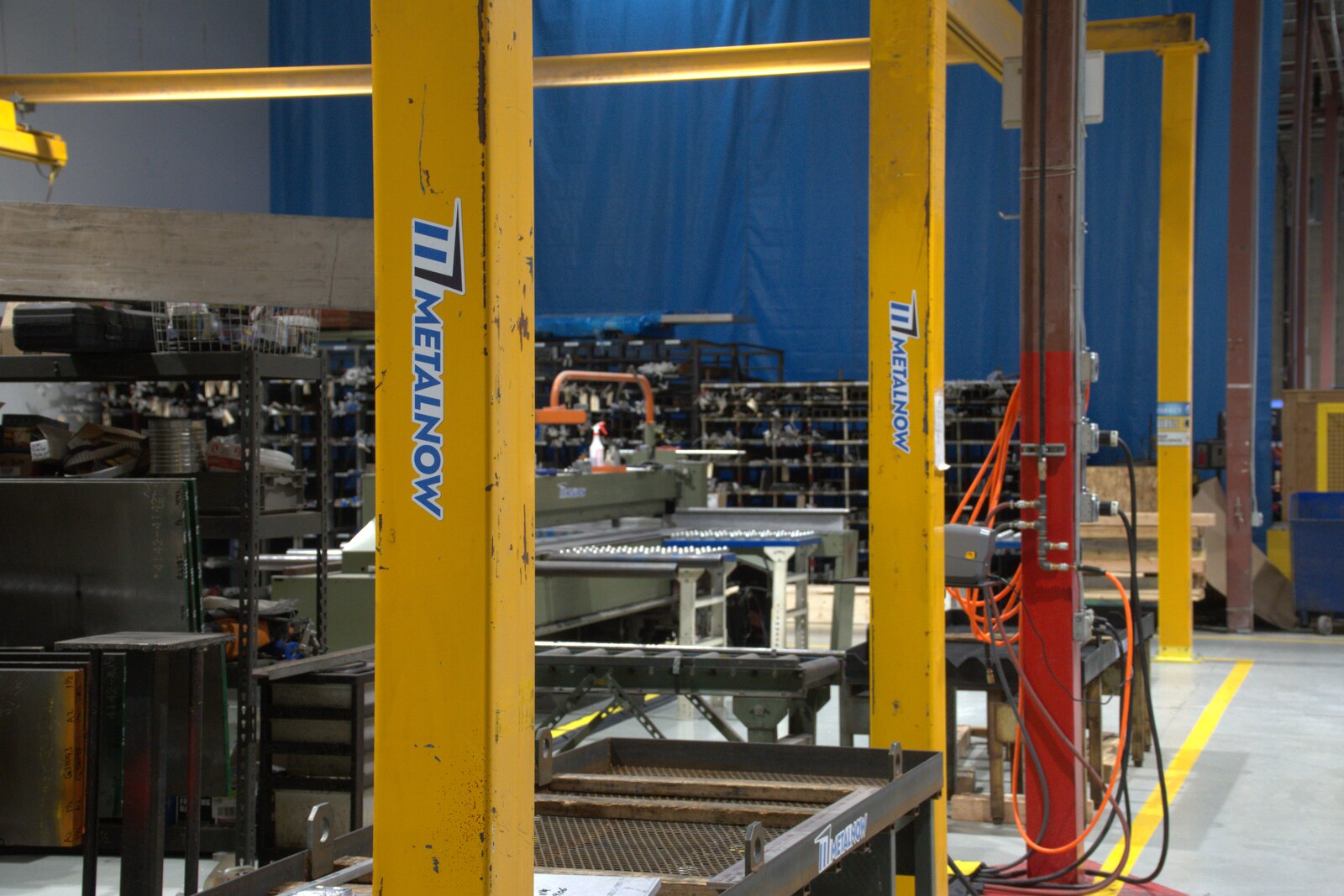
Most machine shops don't have a machining problem. They have a sourcing problem. The machines work fine. The people know what they're doing. But getting the right material in the right amount at the right time — that's where jobs stall, schedules slip, and margin gets eaten.
Here are the most common sourcing problems shops run into and practical ways to address each one.
Long Lead Times From Traditional Distributors
The standard experience at a traditional metal distributor is: call in, wait for a rep, get a quote later that day or the next morning, place the order, wait for the warehouse to pull it, wait for shipping. Three to five business days for something that should take one.
For a shop running on customer deadlines, five days for material arrival is often five days you don't have. The fix is having a supplier with shorter cycle times. Online ordering with immediate confirmation and one to two day shipping cuts that window considerably. For local shops in Salt Lake City, same-day pickup eliminates it entirely.
Minimum Order Requirements
Many distributors won't sell you less than a full bar, or they'll charge a small order fee that makes the economics of buying one piece impractical. You end up buying more than you need to hit the minimum, which brings the next problem.
The solution is a supplier with no minimum. Order exactly what the job needs — one piece, any size. The per-unit cost shouldn't change based on quantity.
Order exactly what your job calls for. No minimums, instant pricing.
Browse the Catalog →Excess Inventory and Floor Clutter
When you're forced to buy full bars and standard lengths, you end up with remnants. Leftover 6061 from last month's job, a half-used stick of 4140 that doesn't match the next job's requirements, hot rolled flat bar you bought three months ago and still haven't fully used.
Remnant piles build up, take up floor space, require tracking and management, and eventually represent cash you spent on material that never turned into a part. Shops that order per job rather than building inventory ahead of demand keep cleaner floors and better cash flow.
Getting the Wrong Material
Ordering A36 when 1018 was needed. Getting hot rolled when the job required cold rolled. Receiving 6061 T6 when T651 would have prevented the distortion problem. These aren't major mistakes individually, but they happen and they cost time — either a return, an emergency re-order, or making the job work with suboptimal material.
The fix is slowing down slightly at the ordering step. Know the grade, the temper, the surface condition, and the form before you order. If you're not sure, it's faster to ask than to re-order.
Unpredictable Pricing
Calling for a quote and waiting for a price means you can't confidently quote a job to your customer until you know your material cost. If quotes take a day to come back, that's a day your customer is waiting. If the price comes in higher than you estimated, your margin shrinks.
Instant online pricing fixes this. You know your material cost before you quote the job. No back and forth, no waiting, no surprises.
Scrambling for Material Mid-Job
Material gets miscalculated. A part gets scrapped and requires another piece. A job comes in faster than expected and the material on hand doesn't match. Every shop has had the experience of needing metal today with no good options available.
This is where having a local supplier with same-day pickup changes things. Rather than expediting shipping (expensive and still slow) or delaying the job, you drive over and pick up what you need. It's not a solution that applies everywhere, but for shops in a metro area with a local supplier, it's a genuine safety valve.
Lack of Material Traceability
For shops doing aerospace, medical, defense, or pressure vessel work, material traceability matters. You need to know where the material came from, its heat number, its certified properties. Getting certs after the fact from some suppliers is painful — or impossible.
For any job with documentation requirements, make sure your supplier can provide mill certs and heat traceability before you order, not after.
Frequently Asked Questions
How do I reduce material lead times without keeping excess inventory?
Use a supplier with fast turnaround and short cut lead times. Online ordering with one to two day shipping is usually fast enough for planned jobs. For urgent needs, local pickup eliminates lead time entirely. The key is having a reliable source you can call on quickly rather than keeping excess stock as a buffer.
How do I stop over-ordering?
Order per job rather than building stock ahead of demand. If your supplier has no minimum and cuts to your exact dimensions, there's no reason to buy more than the job requires. Over time, this reduces your remnant pile and frees up floor space and cash.
What's the fastest way to price material for a quote?
An online catalog with instant pricing. Enter the material, shape, and dimensions and you have a price in seconds — before your customer needs an answer.
Faster sourcing, no minimums, instant pricing.
Order exactly what your shop needs when it needs it.
Get a Price Now →